Showing posts with label Musical Reference. Show all posts

Tuesday, March 2, 2010

Time After Time

They say you can’t travel thorough time, but I can and do all of the time, actually oftentimes moving forwards and backwards at once, my head spinning with thoughts on what has happened and what is about to occur. I engaged in this type of time warp in my old space, during my time in the fast-paced West where unlike here most people think of all times except the present, spending most of their time lagging in the past and accelerating into the future. And as I am just about to reenter that old space that mixes the former and the following, as I verge on breaking the time-space continuum, I find that I am no longer thinking of only the present here and now, which I have been doing for some time, for these many months; I am preparing as it were to leave this space and return to the future, and I find myself more and more of the time thinking of exactly that, moving back and forth.

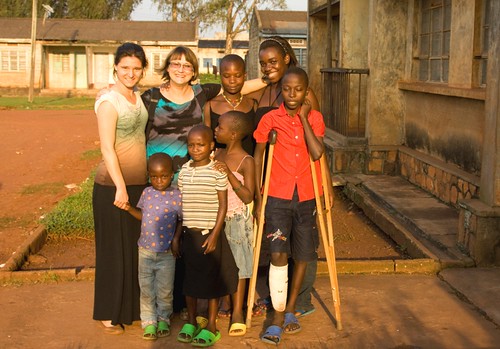
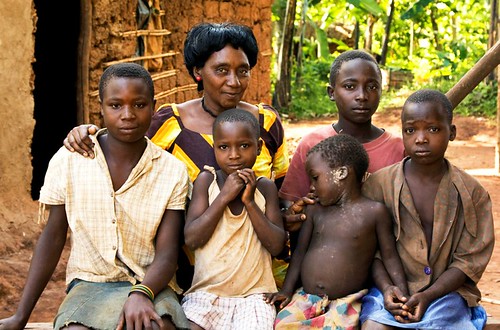
Nearly a year has passed since I came to Uganda and nearly 10 months since I first met my beloved five children. It is impossible to really ascertain much less describe how much I have changed during that time, as well as how much the children have developed. I think back to the places we occupied before, me in a comfortable Western life complete with luxury cars and fancy flat screens and high speed internet and paved roads and quality medicine and quality food and quality everything and they in impoverished Third World existences of mud houses and unclean water and field labor and uneducated minds and poor nutrition and poor medical treatment and poor everything , and how our lives crashed into wild convergence this last year and how our lives will swiftly diverge breaking apart again in just a few short weeks, in a time too soon happening.

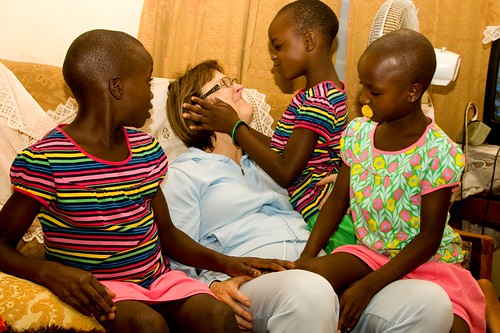
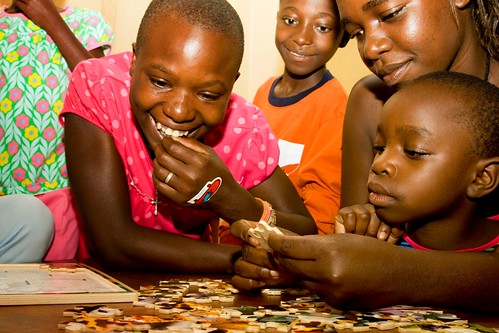
Thinking back to the children they were when we found them, sometimes I want to laugh. Rachel the first few months we had her took to opening and shutting doors in the Balaza’s home over and again, me realizing later that she engaged in this rather annoying habit because the kids’ home and those they visited in the village didn’t have doors, opening and closing a door was in fact for her an endlessly fascinating form of entertainment. And fast-forwarding to now, likewise the three youngest girls to this day insist on bathing at their jaaja’s (grandparents) because the house has a shower head, which still doesn’t yield hot water, but a shower head nonetheless, which the children stand under squealing and splashing, revealing in the novelty of (sort-of) modern plumbing.

Thinking back to the children they were, sometimes I want to cry. Despite knowing that their lives have altered drastically, the images of those five desperate faces in the village that me, Ester, Aunt Vinnie and Sumete first found last June still haunt my mind, the past lingering into the present pressing ominously against the future. I see those faces again in my memory, in recalling what was, and am reminded of them, and what still is, at times when I turn on the TV, floating before my eyes again in the aftermath of earthquakes and famines, floods and wars, tiny faces that are at once tense and apathetic, shocked and hopeless, ruined from the past, tortured in the present, uncertain of the future; I knew those faces before, didn’t understand them until now, and will commiserate them forever going forward: those are the young faces of trauma.

And in thinking ahead, imagining the lives we will lead, me and my children, sometimes I am excited; for me to be back in the comforts of modern society and the like-minded, to be clean and understood, to be healthy and heard, to eat well and to be anonymous, for that I am anxious; and for them to continue their lives with the comforts that Africa can at the very least offer: regular food, clean water, educations, something that passes for health care and, most importantly, love.

And in thinking ahead, imaging the lives we will lead, me and my children, sometimes I am scared. Will I be able to catch the things that fade and fall through time and space? Will the children be forced back into their dark pasts if not for bright futures? What will remain when dreams and expectations, intentions and understandings are entangled in the circles of backwards and forwards in the gaps of here and there? I think back, I think ahead, my mind racing out of the past and into the future, who I was, who I will be, who they have been, who they will become; I consider, I dream, I hope, I wonder…time after time…

After my pictures fades

And darkness has turned to grey

Watching through windows

You’re wondering if I’m okay

Secrets stolen from deep inside

The drum beats out of time

If you’re lost

You can look

And you will find me

Time after time

If you fall

I will catch you

I’ll be waiting

Time after time

Time after time

Time after time

Saturday, February 20, 2010

Rebounding in the Big Sky

Sitting in the back of the taxi van bumping along pot-holed, congested, polluted Jinja Road, beat-up cars and disheveled lorries and sagging taxi vans running past each other and bodas lining the road’s edges, I stared out the window into the grey afternoon, thick equatorial clouds squeezing the dark green hillsides. I had grown accustomed to the route having traveled often between Lugazi and Kampala, I knew all the rest stops, the speed bumps, the markets, the shanties. Watching the world rush by, the world now familiar, but lingering in the back of my mind, soon again to be foreign, I withdrew inwards, daydreaming, listening to my Ipod.

Big sky
I’m gonna hurt you

Big sky
you’ll remember this

Big sky
up above the rain

How can I ever put a stop to it
look you in the face again?


How could I stop? Where did I restart? Why was I feeling so disconnected? No, I knew, I knew: the uncertainty of my projects and the thieves trying to destroy them, the lingering strangeness of my surroundings and the impending shift from it. I was about to reemerge, about to surface from dark, cool waters back into my old comfortable life, entering a strange vortex of the familiar and foreign and what was once one would then, poof, become the other and it would be confusing and maybe a bit upsetting and all the while I was acclimating, readjusting to life as I had known it for decades before I would be thinking how are my projects going? what about the kids? but then how long would I think that 15,000 miles away; I might as well be on another planet as it certainly was a different world. I was drifting, losing sight, feeling worn and muddled.

When I’m breathing
When I’m sleeping

I can’t think of nothing else
All my longin'
All my waitin'

All the things you never felt
All weepin'
All my wailin'
All my standing on the shelf
How am I ever going to get through this
back to myself again?


I stared into the fields, the workers dotted along the hillsides, digging as they did everyday; I watched the vendors along the street side carrying baskets of fruit on their heads, pushing their wares as they did everyday; most here are without much choice as to what they do, performing their daily tasks without mind of the monotony; maybe there was assurance in the routine, maybe they felt grounded in the certainty of their habits.

But where was my center? What was holding me, what was holding all this together? I stared through the grimy taxi window dust and exhaust blowing in my face, looking into the billowing clouds masking the huge blue sky beyond and continued to listen.

Won't you say it isn't so?
Watch me fallin'
See me fallin'
I slipped through
the vortex of the sky

Darkness and light
That’s what’s inside
Darkness and light
It’s what’s inside

And in listening I recalled. I recalled what I already knew; what I had known all along. I just had to remember what I had forgotten…

The sky is limitless; a void of light and dark. Stretching as far as our imaginations, it reflects possibilities existing within all of us; a potential and nature revealed faintly in lives of want, and starkly in crushing need. I anticipated watching it vibrantly within others Here, but within myself….what will I do faced with the novel and unknown?

I wrote the above paragraph last spring, just a few weeks into my African stay, questioning who I would be when confronted with then unknown challenges while spending months on unfamiliar terrain; yes, within all of us is incredible potential for darkness and light falling across the span of our lives filled with endless possibilities in what we experience and encounter, and the one certainty in all the uncertainty is choice: how will you respond? Which will you be? Darkness or light?

The last couple of weeks and their corresponding blog entries have been the dark sequel to my story, the sort of Godfather II to my saga. Weighted and disappointed, bruised and disgusted, I entered the dimmest hours after months of slowly walking away from the light. I felt everyone around me to be suspicious, a society fat with poverty and corruption forces you to be untrusting, and my particular circumstances absolutely required me to be calculating and dubious, but in guarding your interests, in protecting yourself and that which you hold dear, you cannot forget the good, you cannot forget those around you who are honest and faithful and inspiring because then you are no longer a little bit of light, darkness has taken over.

In remembering this, in considering all this while staring out the taxi van, pollution and dirt whirling from passing trucks obscuring the peaceful emerald green horizon, I recalled a conversation that I am sure never to forget. A young American woman and I were speaking some months back about the extraordinarily unscrupulous things people will do here in the land of the have-nots: stealing from family members, leveraging disabled children, using charity for personal enrichment, etc. Then the hippyish teenager donning African jewelry and a long flowing dress, dirty feet and unkept hair whimsically said, “I love them even though I can’t trust them.” I watched her dance across the room after she said it, staring hard at her, I am sure my face furrowed in confusion, unable to decide if it was one of the stupidest or most profound things I had ever heard.

But in the months that I’ve been here I’ve come to realize it doesn’t much matter which you think the statement is, naive or compassionate, sophomoric or philosophical, childish or selfless, it is just true: here you learn to love people even if you can’t trust them, here you learn to love the darkness as well as the light; in a word you learn forgiveness.

Tuesday, February 2, 2010

Songs and Subtext

My January blog entries were titled and inspired by some of my favorite songs, weaving their lyrics and themes into my text as I felt I was at moments living their meanings and tones. So you might have a better understanding of the entries' significance, particularly if you were not already familiar with these pieces of musical and lyrical genius, below are links to the songs on YouTube.

A Thousand Beautiful Things

Space Oddity

Mother and Child Reunion

De Do Do Do De Da Da Da

Wednesday, January 27, 2010

De Do Do Do De Da Da Da

Don't think me unkind
Words are hard to find
They're only cheques

I've left unsigned
From the banks of chaos in my mind
And when their eloquence escapes me
Their logic ties me up and rapes me

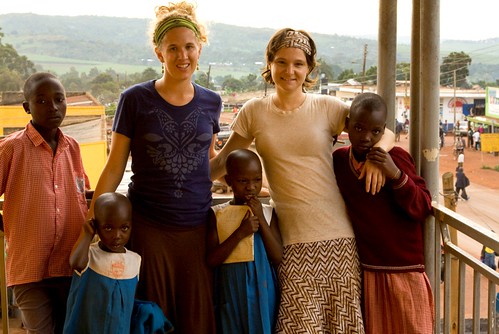
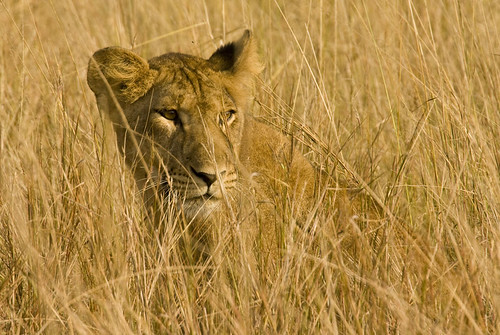
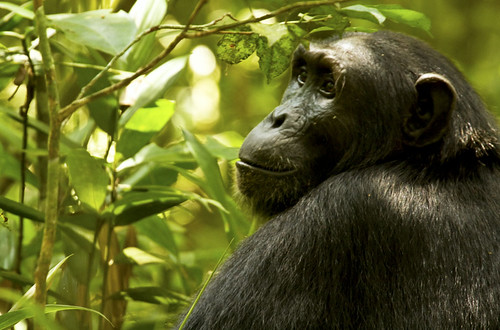
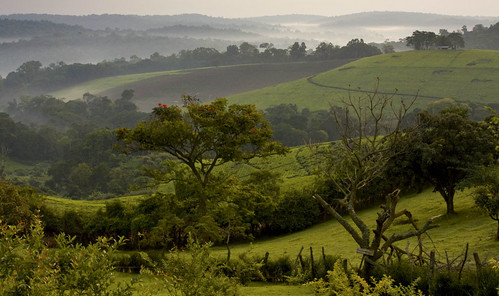
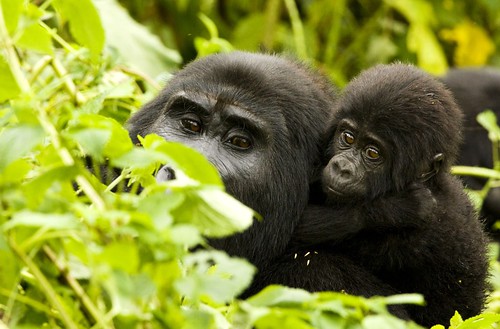
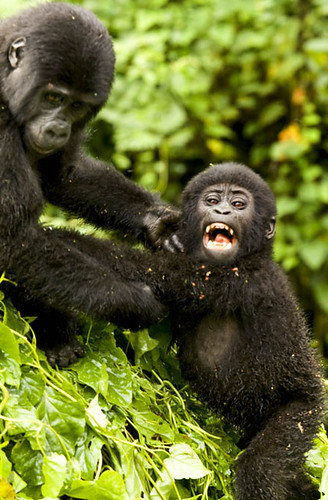
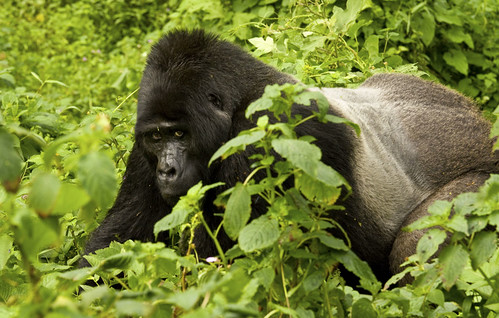
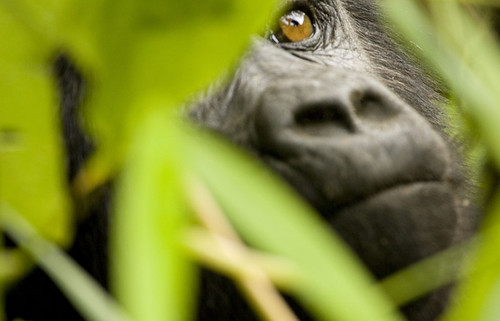
Apologies. I am still too exhausted from a twelve-hour ride over bumpy, dusty African roads from Kisoro, a town tucked between the misty and mountainous southwestern corner of Uganda adjacent to the Rwandese and Congolese borders, to think of anything even remotely clever to say about me and my mom's 10-day safari to four of the biggest game parks in Uganda, Murchison Falls, Kibale Forest, Queen Elizabeth Park and Bwindi Impenetrable Forest. I am also still a bit too overwhelmed by the experience, particularly the gorilla tracking, to acheieve any appropriate level of eloquence, so I am letting my photographs speak for themselves. Below are some of my favorites. You can view all of the pictures here.

De Do Do Do De Da Da Da is all that I can say to you...


Thursday, January 14, 2010

Mother And Child Reunion

She crossed continents and seas secretly, a suitcase of gifts in hand

Greeted by the young curiously, another from distant lands

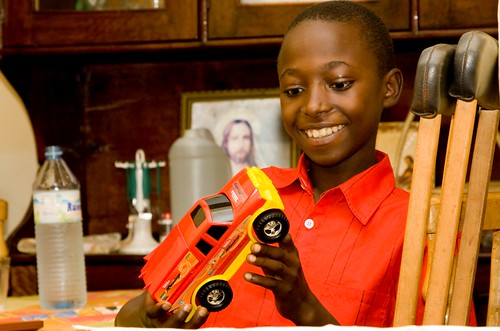
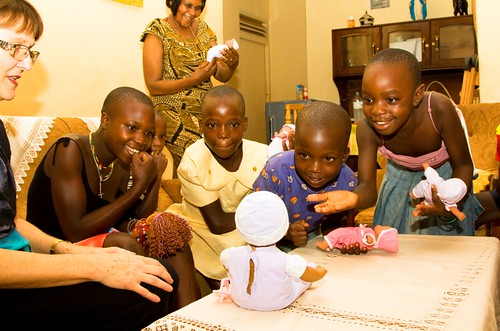
Sweet dolls and shiny trucks swiftly charmed the eager gaggle

One baby, oh it can’t be! even turned and babbled

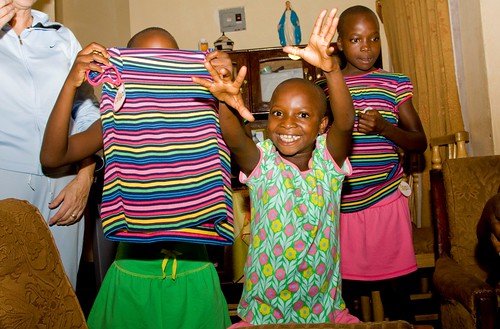
Skirts and shirts bright and tagged, again more dancing smiles

And it was uttered jah jah burungi! not long after a while

And things till now unseen, oh so many! brought with the fair elder

Coloring books and waxy crayons and puzzles to put together

And private hires with seats clean and music clear, again a novel joy

And a picnic on the lake still and wide, more welcomed than a toy

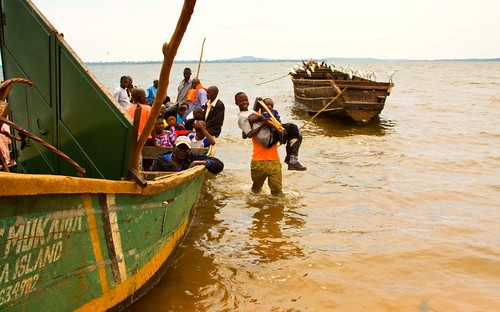
And can you believe? A boat delivered to the island wrapped in surf!

Seems strange to say, but none had watched water lap the turf

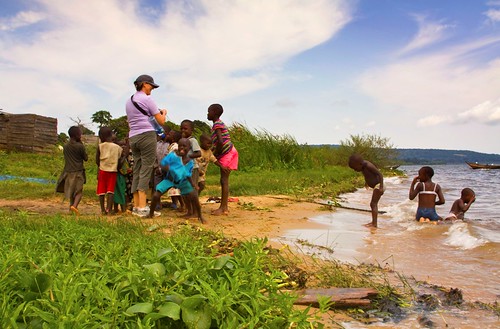
And of course there were stares and laughter and tenderly dipped toes

And then running and jumping and freedom as the water flows

But the long blissful splashing followed an improper investigation

Not till later was it realized, a likely bilharzia infestation

No wonder the island children watched we sighed, but matter it did not

For yes it was achieved that which was so long after sought

And for them and us and another birthday, yes me, I could not pretend

Watching it all, reunited, I recalled the course of a lifetime runs over and over again


See all pix here

Thursday, January 7, 2010

Space Oddity

You change here in pieces, in small, at times unperceivable ways. The change is quite fluid, quite peaceful and quite easy… if you are open to it. And if you are willing, one day you can awaken to the realization that you occupy a very different mental space than before did prior to setting out on your odyssey.

As you’ve been plotting and toiling in one space, you’ve also been floating along in another, going in a very different direction; and you may look back at yourself in the most peculiar way. And though your new space may seem far, beyond 100,000 miles, you will feel quite comfortable, in fact, very still, as if your spaceship knows which way to go.

Over the months in the land that was at once new and strange you will have seen roads and hospitals and schools and stores, and you will have listened to music and speeches and radio and conversation, and will have eaten bread and mangos and rice and bananas, in fact many bananas, and everything will resemble what you knew from before, but will look and sound and taste very different today.

And you will see glimpses of people who once surrounded you in the old space, maybe you will be reminded on Aljazeera, maybe you’ll watch a woman complain about having to keep her job because otherwise she can’t afford medical insurance, which she needs because she is being treated for an aggressive form of breast cancer and into your mind floats the prayer service you attended last Easter at your Ugandan auntie’s house and how an old sick woman was brought up to the make-shift stage by the outrageous pastor who claimed during his hours-long sermon choked with blood-boiling mendacities (such as his ability to cure people with AIDS) that the holy ghost told him there was a woman with breast cancer in the midst (although your better logic tells you the auntie of the house simply told the man this), and the pastor goes on to say he doesn’t like surgeries and commands the frail woman to not pursue her one treatment option, which is a mastectomy in a land without proper chemotherapy and radiation, and, in fact, the pastor then throws his hands in the air and claims with unabashed arrogance he has cured the old woman too! and everyone in the flimsy lawn chairs begins clapping like a bunch of fools at a circus while you fidget wildly, nearly uncontrollably in your plastic chair hoping the holy ghost also has the mercy to drop the murdering pastor dead right then and there on the stage while everyone is appropriately cheering; and as you relive this memory, at the same time you recall all the hospitals you’ve frequented these many months and how patients are packed into wards (of course never with nurses who properly care for them, or machines that monitor their vitals, or specialist to treat the sickest), and you remember just last week the man lying in the cot at the foot of your boy’s bed and how the man suddenly began flailing violently while his whole family (who appeared from their traditional clothes to be from deep within the village) stood watching not doing much of anything because they presumably didn’t know any better, so you went searching for the nurse and she didn’t seem to understand the word seizure so you shook demonstrating for her and she calmly replies the man was cold and you are like noooo the man wasn’t COLD, so you find the short doctor with the funny round spectacles and he injects something into the man’s IV and as you resume just staring, staring into the huge room in need of paint, full of sick and dying people surrounded by their family members resting on the concrete floor because there are no chairs and no spaces of comfort in these hospitals, the man laying so near seizes again, only this time harder and so you find the doctor again, but soon thereafter you leave, so you aren’t quite sure what happened, but a couple of days later the man in the bed just a few feet from your Ugandan son’s isn’t there anymore, the space empty and you don’t know why or where he has gone and you really don’t want to ask; and maybe just now, at the same moment you are watching the news programming with the complaining woman and remembering the sermon with the deceitful pastor and reliving the hospitals with the scores of dying people, there is an out of work African man (as if that needs to be said) staying in your home with growths squeezing numerous organs in his body and there is really only one hospital in the whole country with the oncological abilities to assist him and he would be lucky to ever be admitted and luckier to ever afford treatment because most others here (in fact millions of others here) are never diagnosed and just die unknown deaths quietly in villages and maybe you think that the woman on the TV wearing the nice clothes and nice jewelry sitting in the nice home shouldn’t be grumbling about how she has to keep her job with good pay and free medical insurance so she can continue to receive the best treatment on the planet while there are millions (in fact billions like stars in the universe) who would never be so lucky as to complain about such a thing, including a person sleeping under the same roof not more than several feet from you.

And that man, like all those now crowding your new space, just accepts things as they are, everything about his and their lives, including his and their deaths. And you become more accepting too, not trying so hard to change everything, and that tolerance affords a certain peace as you continue to float along in your spaceship. Here in the new space life is very real, nothing is figurative; metaphors, like treatments, are luxuries. Here is the space of the literal.

Planet Earth is blue and there’s nothing I can do

And while it may seem bizarre and nightmarish to those who haven’t left their capsules, the new space is not without its merits, it’s not always despairing or discouraging or depressing, and you realize it is not because here you are never alone, never isolated, although this may appear contradictory to the inexperienced; in fact, you will awaken to see that you are not, nor ever were floating by yourself. Occupying the new space is a sweeping sense of community and family as vast and novel as the cosmos; one that abhors individualism, in some ways for the worse, but in many for the better, and loneliness and alienation are largely unfamiliar; and therefore everything in the new space has a different sense and worth; and when I speak to people filling the space here, their understandings at many times would be an oddity to you. And for that matter it would be an oddity to the person I was.

Planet Earth is blue and there’s nothing I can do

Saturday, January 2, 2010

A Thousand Beautiful Things

After visiting Richard in the hospital in Buikwe the afternoon of New Year’s Day, him still recovering from surgery the week prior, I arrived back in Lugazi to fetch some food from the open air market in the town’s centre. While making my way back home to start dinner I practically ran into my friend Sandra.

“Sandra! How are you? I haven’t seen you in so long. How was your Christmas?”

“It was good,” she said smiling.

“How was your New Year’s?”

“Well, right now I am going to visit some patients.” I knew that Sandra often paid hospital visits to people who worked on her community projects who fell ill.

“Who’s sick?”

“Well, I don’t know them. I am going to the children’s ward,” she replied holding out some sweeties.

“Oh, that is so nice of you! Actually, maybe Peanut and I will go. Let me run home first and drop off these things. Flash me when you are arriving at the hospital.”

Okay.

As Peanut and I walked through the thick muck saturating the ground and splashing onto our clothes, I asked her if she knew why we were going to the hospital. She didn’t know.

“Okay. What do people do on holidays like New Year’s?”

Peanut gave me a strange answer about learning and reading.

“Umm. Not really. Don’t people eat good food on holiday and go to church and go to the villages and see their family and friends?”

“Yes!”

“And what is that? It is fun, yes?”

“Yes.”

“Well imagine if you were in the hospital. The hospital isn’t very fun, right? You are sick and don’t feel well and maybe you are scared because you have to have surgery.”

“Yes.”

“So we want to go say ‘hi’ to these children on New Year’s when everyone else is having fun and they are scared and sick in the hospital.”

“Yes!” Peanuts agreed wholeheartedly swinging my hand in hers.

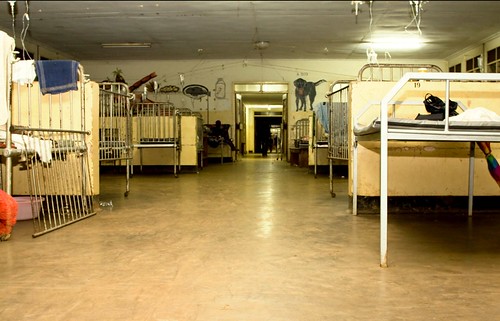
We arrived at the hospital in Lugazi, which is not more than a third of a mile from our house. Night had blanketed the sky deep indigo and the long narrow blocks of the hospital dorms lit up with lousy florescent lights. I entered the block painted Pediatric Ward on the side.


Sandra was leaning over the railing of one of the beds looking down at a boy lying placidly on his back, his arm wound in white bandages and gauze.


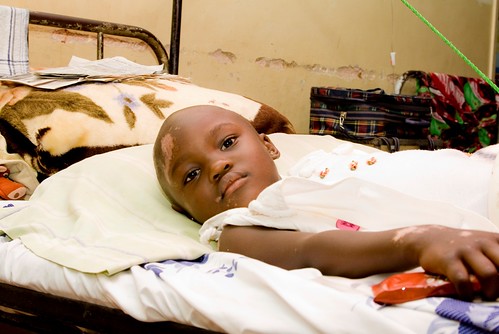
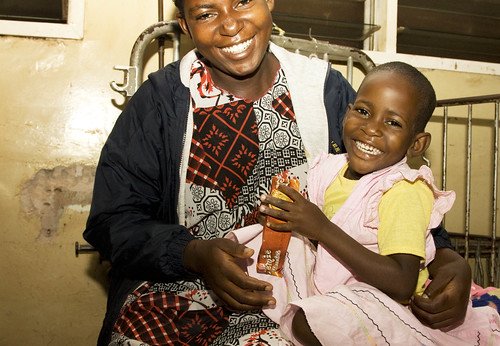
I followed Sandra’s example approaching the rows of bed, most fortunately empty, wishing the children and their mothers and caretakers a Happy New Year. I handed them packets of biscuits and spoke with them briefly. Many told me the cause of their hospital stays.

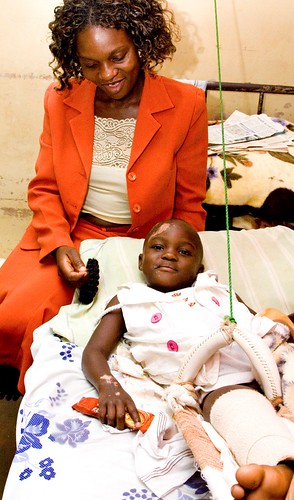
An unfortunate victim of an all too common occurrence by the notoriously careless drivers, little Masa had been stuck down by a boda on the 21st and would remain in the hospital considerably longer in traction. Her mummy showed me her x-ray: a completely severed bone.


“Oh! You poor thing! Was the bone sticking out when she was hit?”

“Yes.”

“Yeah, that’s a compound fracture. Oh! It must have been so painful.” I turned to the little girl. “But you’ll be okay.”

The four year old smiled and said brightly, nearly bubbling, with surprising conviction, “Yes! I will be okay!”

I laughed and patted her. “You are so kanyama!” Then the mother laughed at me, surprised at my knowledge of Luganda.

“Yes, she is very strong.”


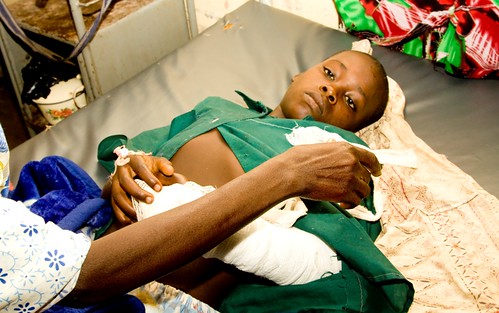
I moved to the other beds, mostly filled with babies and toddlers with malaria hooked up to drips, their mothers patiently sitting at their sides. One poor mother had two patients in the hospital, a baby with malaria and a young boy who looked like he had also been hit by a boda. Covering his abdomen was a large open sore, which fortunately appeared to be healing well and the child seemed to be in good spirits, squirming on the bed and laughing while I took his picture.


Other children were also recovering and happy.


But other children were sick and sad.


Still others were scared of buzungus.


Later that evening Peanut sat on the couch of our home while the TV played unwatched in the background. She looked up at me as if she wanted something.

Chi Chi?

“I want to watch videos,” the girl told me.

“You don’t want to watch TV?” I asked surprised. She shook her head. I laughed. “Okay. Come.”

She followed me into my room and I loaded on my computer a collection of Annie Lennox videos, which much to my amusement, the girl loves. She sat in my room memorized with the monitor, singing and dancing as I put away clothes laundered earlier that day.

“You go to the next one. I don’t like this one,” she said as another video queued.

“Noooo Peanut. I am not skipping through this one. This is a very good song. It’s one of my favorites. It’s about gratitude. Do you know that one, gratitude?” Peanut shook her head. “It means thank you. It is being thankful for something.”

Peanut looked at the video skeptically, but with more interest; the soothing notes continued to float through the room.

I thank you for the air to breathe, the heart to beat, the eyes to see again

“You see. She is saying thank you for being able to breathe, to have a beating heart, to be able to see. She is thankful for simple things, for being alive.”

I looked over at Peanut as I stuffed socks into my drawer. She had been standing, but suddenly sat watching intently. She began singing.

The world was meant for you and me to figure out our destiny

To live to die to breathe to see to try to make your life complete….

A Thousand Beautiful Things

Friday, July 17, 2009

Lake of Fire

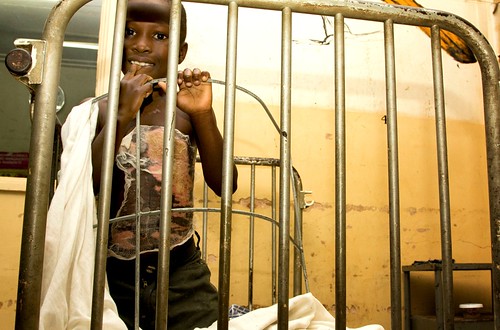
Richard was admitted to the pediatric ward the day before his surgery. The room was maybe fifty feet square with nine beds, only three of which were full singles, the rest sized for toddlers and babies. Richard took a larger one since he was the oldest child. Ester and I sat with him on it, no chairs in African hospitals.

On the bed across from us sat a boy of maybe four with his mother; to our right, a six year old girl and her caretaker; a baby to our left with her young attractive mother; on the other side of them beneath a window, a playful toddler who laughed and squinted his face at me for hours, his jah jah at his side.

Recall family members serve as nurses in African hospitals. You need to bring your own nurse, your own food, your own drinking water, your own clothes, your own bed sheets, your own basin, your own soap, your own toilet paper for the latrine outside; besides medicine, only a plain room, mattress and unclean water are provided.

The continent of death abundant, it was not remarkable that three of the five children in the ward were without their birth mothers, and Ester maintained the woman across from us to be the stepmom. She says it’s her first born, but it’s a lie. I watched the boy sit vacantly and tensely that day and the next, not wanting to be touched, never smiling at me or the Hungarian doctor trying for a laugh, not amused by the silly, funny-looking mzungus.

The continent of poverty prolific, Africa is diaperless, the young pissing and defecating wherever. The woman suddenly grabbed the boy and pulled him to the ground, stood him over their basin, grabbed his penis and made him finish peeing in the tub. I stared at the deep thin welts running across his butt discoloring the dark skin. She set him back on the bed, threw the cloth he had soiled that lined the bed into the basin and walked out the door to clean it in the grass area next to the small buildings that comprised the hospital; the place where family members of the sick cleaned, cooked and rested.


Ester’s eyes followed her out the door.

“Hmm. She can’t be the one. He really fears her. The nurse told her to lay him down and she just ignored her.”

He hadn’t eaten all day in prep for surgery, and it was well past two in the afternoon. I felt sorry for him. Sitting down on the little bed, I put my arm around his tiny frame, but his face turned and he cried. He stopped when the mother returned several minutes later and resumed sitting next to her stiffly, the same anxiousness returning to his face.

Richard sat on the bed with Ester listening to my IPod. I looked at Ester.

“Where are you going to sleep?” The only beds left were for the very young.

“We aren’t admitting anymore,” a nurse lounging on a bed volunteered, as if the problem were not having any beds at all, rather than only very small ones. Ester didn’t seem to mind the prospect of sleeping in discomfort; this was Africa.

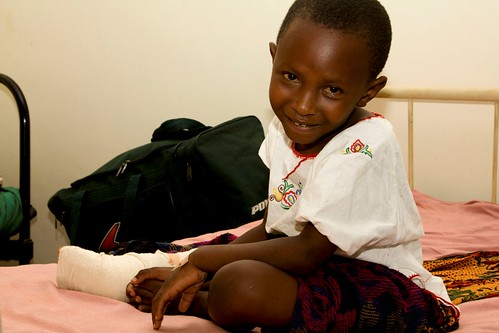
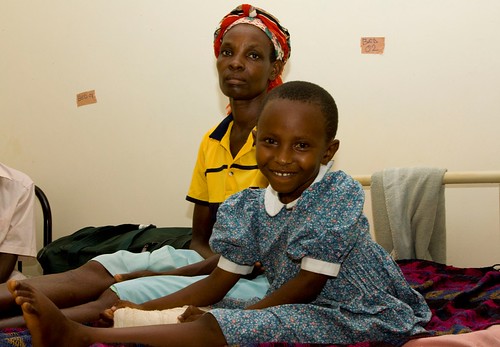
I talked to the sweet girl next to me. Veronica was behind in school, still in baby class, because of ongoing problems with the foot, but she seemed bright and knew some English despite her disrupted schooling. The woman attending to the girl talked to Ester in Swahili; they had come all the way from Kenya.


The woman wasn’t her mother; the mother had died after donating her bone to the girl who still wasn’t better. The story didn’t quite make sense, maybe something was lost in translation, maybe the caretaker didn’t understand what happened. But the girl was an orphan and had been sick for a while.

I told Veronica her dress was pretty. It was periwinkle decorated with delicate pink and white flowers and ruffled at the bottom. It reminded me of a dress I had as a child. I told her so, and asked her if she took it from me and demanded it back. She smiled a lot, quickly and sincerely, but shyly.


I sat with the women and their little patients in the light room passing the hours staring at the nicely painted walls, a novelty in Africa, making small talk, a television in an African hospital room unthinkable. Bored, I went outside to pace.

I came back and Veronica sat with headphones at her ears and the IPod gently in her lap; Richard had let her use it. I eyed the toddler under the window as he covered and uncovered his face over and again squealing at me. I started to read a book, just a few pages. I looked up and Veronica was smiling hard.

“She really likes it,” Ester said laughing referring to the song that just came on. I picked up the IPod to see what she enjoyed so much, thinking it was an R&B artist much beloved by Africans: Alicia, Beyonce, Mariah. I was shocked.

Lake of Fire, Nirvana

“Okaaaay! My little rock and roll girl!” I exclaimed to her. She couldn’t control her pleasure, her face and eyes wild with excitement.


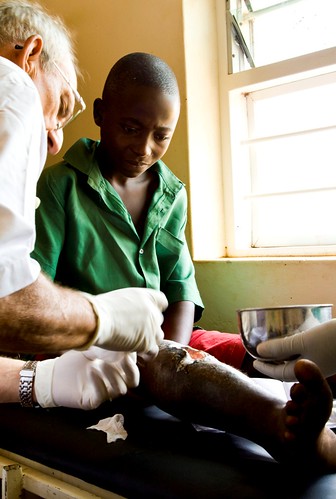
We were discharged the day after surgery, but have made the journey back each day since to have the wound checked and redressed. We ride the bodas and taxis through the dusty red roads into the village of Buikwe, Richard hobbling to and from transport on one crutch.

The day after surgery I looked for the Hungarian doctor that attended to us. It was Saturday and he was off, but was staying in the large home for staff behind the hospital on top of the slope; upon hearing of our arrival he donned the green scrubs.

He greeted us with usual cheerfulness, funny and slightly goofy, peering through syrupy glasses and speaking with a bulky accent. We sat on the bench outside the dressing room, which he entered to prep for us, but reemerged irritated and stressed. He looked down at me.

“I do it myself. Sorry, you wait.” I looked through the door; a Ugandan doctor attending to a wound.

He walked away with another Eastern European doctor, the two gesturing fervently. They weren’t happy about something. To my side a small crowd gathered, Richard stood to join them. Something of interest to pass the time, I stood up too to spectate.

A few men stood on a small grass area in front of one of the wards inspecting and fidgeting with a circular bundle of thin pieces of hard wood. I was disinterested. Who cares about construction? Then I noticed the purple and indigo cloth sticking out from the middle of the stack. There was a shape beneath it. Oh. A head.

I hadn’t seen a body yet in Africa, but I heard about them quite a bit. Ester would tell me sometimes, They found a body today. They found a body here. They found a body there. There were two bodies in town today; two people killed by cars. They took the body back to the village. And so on.

I knew there not to be hearses and proper funeral homes here, bodies transported on the backs of boda bodas and maybe in a car if the deceased was lucky then stuffed into a wooden coffin and finally into the soft rusty soil next to an ancestral home.

Here was my first; wrapped in a cloth, then secured in bound thatch work. It sat there for several minute and was then carried away by five men. The frame was hard to see, but seemed small, like that of a slight woman.

The Hungarian doctor returned.

“These African doctors are killers,” he proclaimed as he motioned us into the dressing room that was being cleaned by a nurse.

“I’ve been here for four weeks and have had enough. I go back to my clinic in Nairobi, but first I have to go to Sudan,” he explained to me.

“Oh. You live in Nairobi?”

“Yes, I have a family there. I came here for a friend.”

“Well, you and the staff are doing a great job. The community would not have these services otherwise. I have been to other clinics and they are awful. The doctors tell people to leave for no reason. They won’t take care of them because they don’t care.”

He looked at me over his glasses as he pulled at the bandage.

“Yes, I know. These African doctors,” he said shaking his head.


I didn’t ask him why they were killers; if it was related to the body I had seen, or if it was prompted by the Ugandan staff in the room earlier; or maybe it was both and probably more. I just let it go. You do that a lot here, accept the shameful and bizarre, the toil and demise; the continent of desperation lavish.

People cry, people moan
Look for a dry to place to call their home

Try to find some place to rest their bones

All the angles and the devils try to make ‘em their own

Monday, June 22, 2009

The Saddest Story I've Got

I had seen Agnes twice since her mother’s passing; once as I was leaving the video store in town about a month ago, maybe a week after the death; the girl greeted me shyly and mumbled something about dying and I knew she meant her mother and I hugged her while she stood stiffly, looking away for a minute fighting tears in a stoic Ugandan way; then again I saw her at Ester’s shop about two weeks ago with her youngest sister, Rachel, who had a rash covering her body and fluid running from her nose and ears.

“They are coming back tomorrow,” Ester said as they walked away in the late afternoon. “It waz too late to see the doctor todae. They come here tomorrow and I take them.”

Tomorrow came and Agnes and the kids didn’t appear. And so passed the next day and the next…

“We should go check on them,” I said to Ester one night over dinner.

“Yeah,” she said strongly.

Then I was recovering from malaria, then I had meetings in the village, then the car was broken, then Mummy had meetings in Kampala.

“Can we go for them tomorrow?” I asked Margaret as her, Ester and I stood in the kitchen finishing dishes Wednesday night.

“Yes.”

The next day I waited in the house until the afternoon, not sure when the car would arrive; African time, communication and planning at work. The bell rang. I opened the door to a smiling Aunt Vinnie, Margaret’s sister, paying us a surprise visit. Very much like her sister, Vinnie is sincere, loving, smart and generous. She is also smart as Ugandan’s mean; donning African dresses and skirts of her own design and making, having studied fashion in London. We lounged on the couches, so hot outside, chatting about the children I was to visit, the plight of African children in general, and what we had been doing since last seeing each other over a month before.

The white car finally pulled up below our house. Vinnie, concerned about the children, decided to join us before returning to Kampala that evening. We drove around the block to pick up Ester who closed the shop for the call. I was getting nervous. I didn’t know what we would see.

Agnes’ mother had died of AIDS over a month before. I learned through my family that the father was cruel and it seemed, possibly psychopathic; abusing his children physically and emotionally, as well as the wife when she was alive; stealing his wife’s ARV treatment, despite it being free, and killing her. Ester told me that the wife, her cousin, said the man would sell all their crops at market, go to a hotel with his son to take a nice meal, and leave his four daughters and wife without food. He also enjoyed local drugs and drink.

Then there was the boy’s leg. The son had an accident over a year prior and Stephen and Margaret sent the car to take the boy to the hospital. They told the man they would pay for treatment and return the boy in the evening. The father refused. He thought witchcraft had caused the boy’s ailment and claimed he was helping him with local herbs. The boy’s leg had since become septic.

“I want to buy eggs for the kids,” I said as Ester got in the car. “But I’m afraid they won’t even get them.”

“Yeah,” she agreed. “He’ll just make them prepare them for him.”

We stopped off in town and purchased food stuffs for the family. A very fat little girl with falling out black and red platting ran up to me a tattered dress, her huge checks creasing in a massive smile. She grabbed my hand and squealed, “Mzungu! Mzungu!” She skipped and jumped manically then ran back to me throwing her arms around my legs.

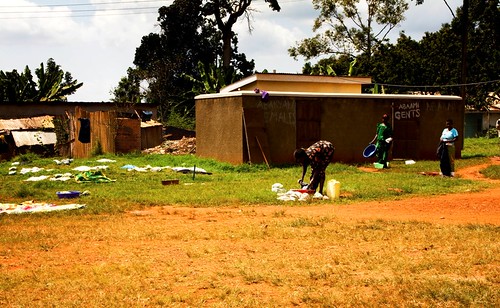
We climbed back into the car with bags of beans, rice, sugar and maize flower. We turned off the paved main street that bisects town onto a dirt road marked with a sign painted God’s Way. We wound through the edge of Lugazi and into the sugar cane fields. The massive network of stalks creating an impenetrable wall on either side; up a hill, down again, round bends, passing some small homes.

“I can’t believe Agnes and Rachel had to come all this way when they were sick,” I said after a few miles.

“Yeah. And the boy too.”

“What?”

“The boy, Richard. He waz with them that dae. It took many hours for them to get home with hiz leg.”

“Oh. I didn’t know that. If I had known I would have gotten them a boda boda,” I said wishing that Ester had told me that evening two weeks ago.

After emerging from a valley, driving along the far mountain, the sugar cane gave way to villager’s plots and mud homes. The men, women and children watched from their land, waiving at our car going by, its presence and certainly its mzungu passenger unusual. Then we pulled in front of one of the homes.

“Is this it?” I asked.

“No, we must walk,” Ester directed me.

We followed a narrow path for maybe 100 yards. To the right, the low green shrubs of sweet potatoes; to the left, a farm overflowing with bountiful maize, plantains, coffee, tomatoes, cassava, beans, sweet potatoes and papaya.

“This is his plot,” Ester said pointing to the left. I was surprised. I wasn’t expecting him to have so much land, so many fertile crops.

“This one?”

“Yes,” Ester said nodding at it.

We rounded the vegetation and emerged onto the dirt clearing where their mud home and open kitchen rested. Agnes ran to us from the other side, hugging Ester tightly around the neck. The other children emerged from the house, staring at us vacantly in the doorway.

We called Rachel to us. The four year old reluctantly obeyed. The girl’s rash was worse, starting to scab over, covering her left ear and check; looking as if a bird had defecated on her face. There were still spots on her forehead, neck, abdomen, arm and hand. And her stomach was bloated; worms.


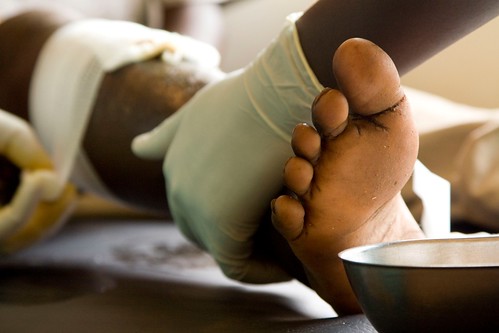
The boy watched several yards to our side, his forehead permanently rutted in grief, leaning on his good leg. He had to wear long pants over it at all times. We asked him to expose his wound. He looked away and pulled it up warily and we gasped. It was swollen all the way down to his ankle, still oozing all along the front of the shin; the pain he tried to conceal, but obvious in his eyes.


Vinnie, Ester, Sumete and I just stared at the miserable children in disbelief and concern. We agreed that the little one and the boy had to go to the hospital the next morning. I walked the boy to the side and took a picture of his leg. He glanced across the dirt before pulling up the seep stained cloth; he doesn’t want his dad to see, I thought. The father paced towards and away from us slightly nervous over and again, knowing all of the adults despised him, lying about the children’s condition, offering excuses in his insincere, high-pitched voice.


We visited with the children for about an hour grasping at lightness, wanting to give them relief. Their faces void of feeling then contorting into sculptures of anxiety and hurt. Agnes walked to a short ledge on the edge of the dirt clearing and climbed onto a rope that hung from a tree then launched herself into the air swinging. Despite recently losing her mother, caring for her younger sisters and brother, abused by her uncaring father, a soft smile spread across her face; but the other children never showing happiness.


“That girl was forced to marry?” Vinnie asked Ester. Ester nodded and Vinnie drew her head back in amazement.

“The husband ran her off though,” I explained.

“I told her that she can’t get married again. That the children need her,” Ester told us. I imagine they shared my thoughts; the children would surely die without her.


We said goodbye and promised to return the next day.

We drove back moved and incredulous; the three Africans clucking wildly in Lugandan to each other, sometimes translating to me.

The two little ones are probably positive, especially the youngest; so mulwadde. The boy’s leg is terrible. The children are so unhappy. The father is so careless. He killed the mother.

“You can see the pain on the boy’s face,” I said aloud to the whole car.

“Yes. And Sumete asked him if hiz leg pained, and the man said, ‘No, it doesn’t bother him,’ answering for him,” Ester told me.

“Maybe I can take one,” Vinnie said; so thoughtful, not even children from her side of the family, and still raising her many, as well as a nephew depressed because he is positive.

“Those children are so upset,” I said. “When children see a mzungu they get excited and happy. These children weren’t. They couldn’t even smile.”

“Yes! “ Aunt Vinnie exclaimed. “Compare them to the fat girl at the stage,” she said throwing her arm into the air.

“I know. That little girl was like all the other African children. Even the poorest ones, ones you know don’t always eat and are dirty in torn clothes, playing with trash, at least they are happy. At least someone is trying their best to care for them and love them.”

Yes, a child at least needs love.

“They just looked through us. Their father isn’t even that poor!”

“No, he haz some money,” Ester said. “He just doesn’t care. Did you go inside the house?”

“No.”

She shook her head. “It’s terrible.”

When an African tells you living conditions are terrible, you trust it an understatement.

I stared out the window; we were back in the outskirts of town. I imagined what the children did every day: wake up; Agnes bathes them, if they are lucky she maybe cooks some cassava for them; at least two go to school occasionally, but mostly they work on the farm, their father emerging from the foliage to beat them and chastise them, then disappearing again. Maybe more cassava at night. Working until the evening, no friends, nothing to do, just fearing; fearing life, fearing death, fearing their provider. Not living near anyone, very much alone. The father with them at night and he had just lost his wife. And Agnes. Slowly becoming a woman sleeping near him. Shit.

“I wonder if he is molesting them. Maybe taking advantage of Agnes,” I said suddenly.

“Yeah. We were just saying that. He can do anything on thoze drugs,” Ester said frowning deeply.

“Great. He’ll infect her if she’s not positive already.”

“Yeah,” Ester said softly.

Margaret and Stephen asked about the children that evening. I shook my head and said they were horrible. I showed them my pictures and they could not believe the swollen stomachs, oozing legs, scabbing skin, and hopeless faces.


“They are so unhappy,” Ester said shaking her head. “When you are that unhappy you hate everybody. You even hate yourself.”

“We’re going back tomorrow to take them to the hospital,” I said.
“Yes, I will tell Sumete to bring you,” Margaret said not taking her eyes from the images on my screen; these were the children of the young girl she helped raise, the sick woman she use to care for.

I waited; then said, “Ester and I were talking about keeping them.”

Margaret raised her eyes. “Yes. I think so. They can’t stay there with that man.”

“He’s slowly killing them,” I said very seriously.

“Yes. Just like their mother,” Margaret mused. “We’ll go get them tomorrow.”